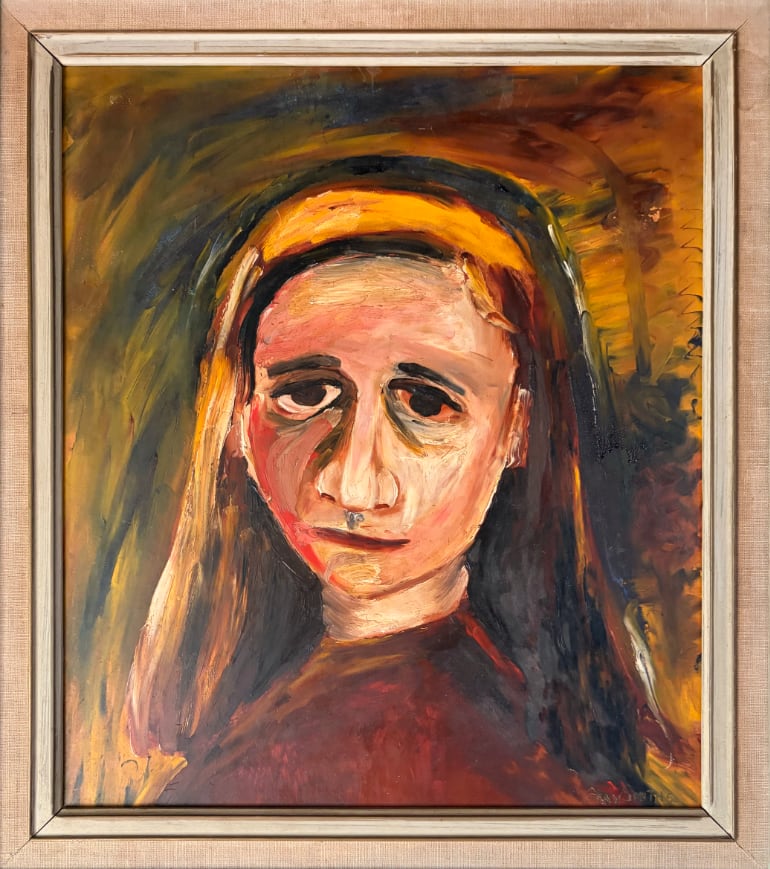
Pauline: Gray Smith’s 1950 Portrait of a Heide Circle Muse
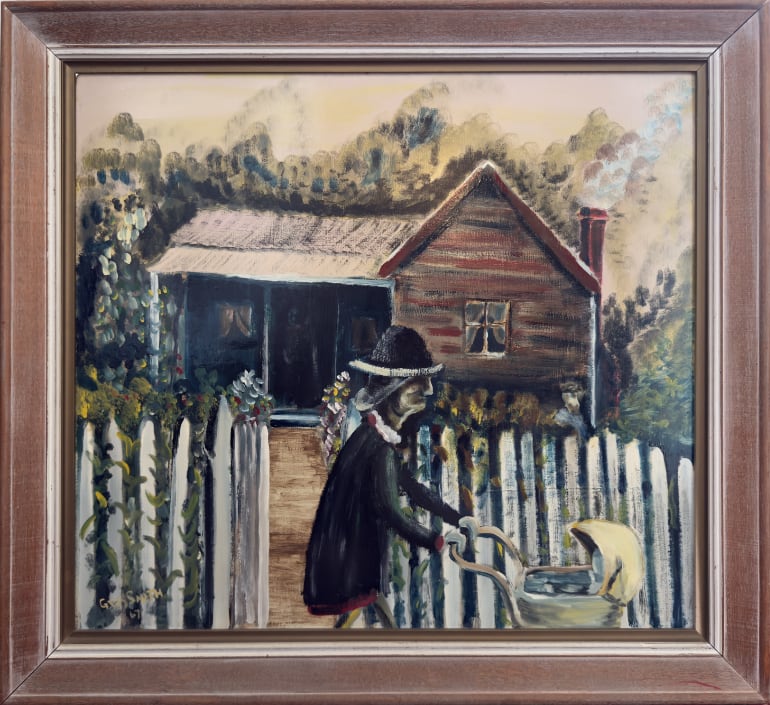
Gray Smith’s 1950 portrait of Pauline, a friend and muse to the Heide Circle painters, has been shared for the biography project.
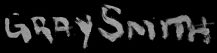
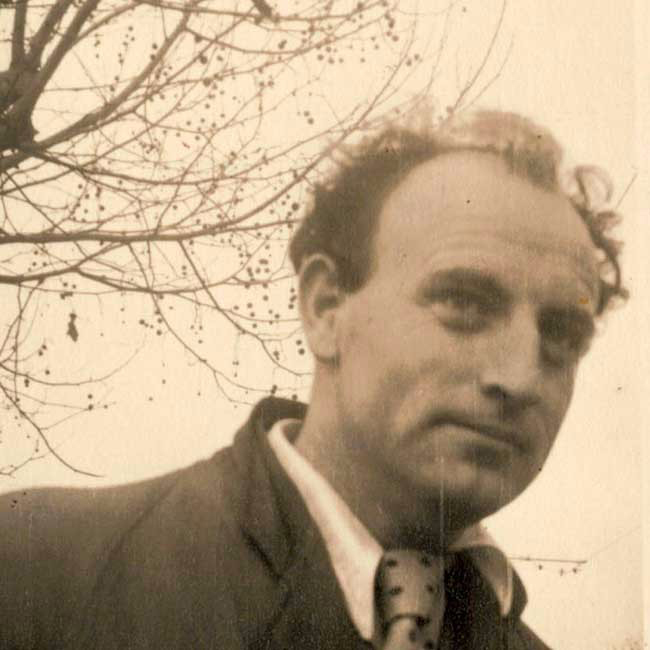
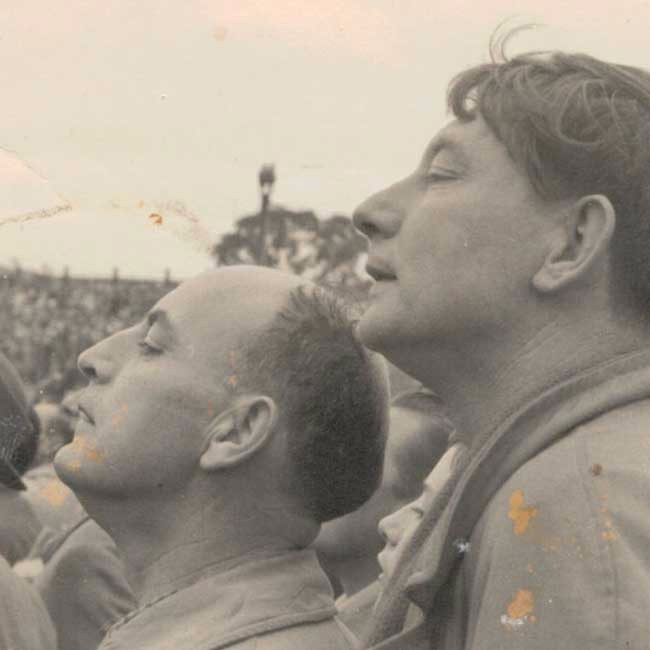
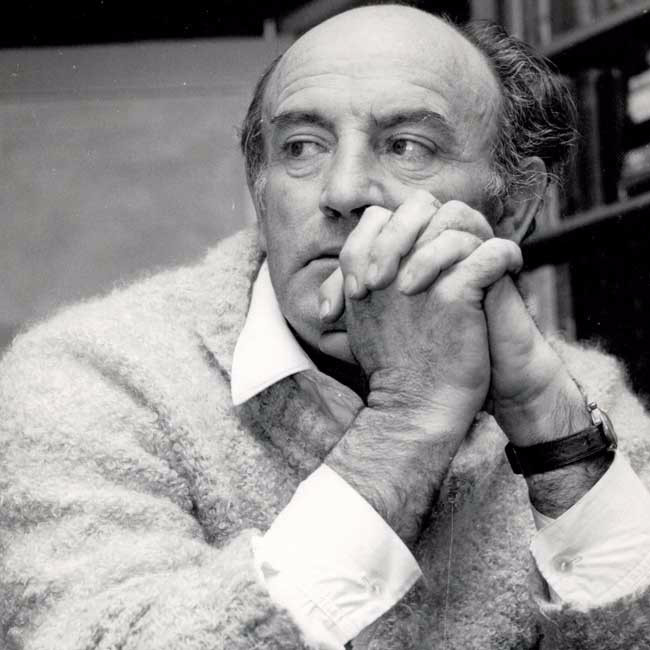
Gray Smith’s 1950 portrait of Pauline, a friend and muse to the Heide Circle painters, has been shared for the biography project.
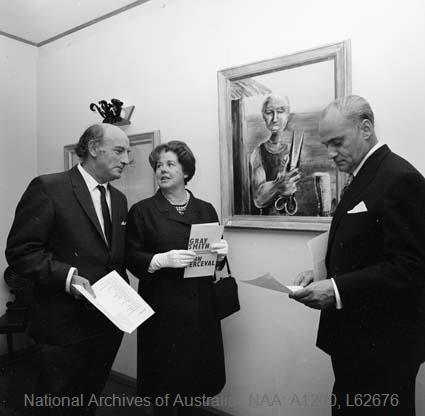
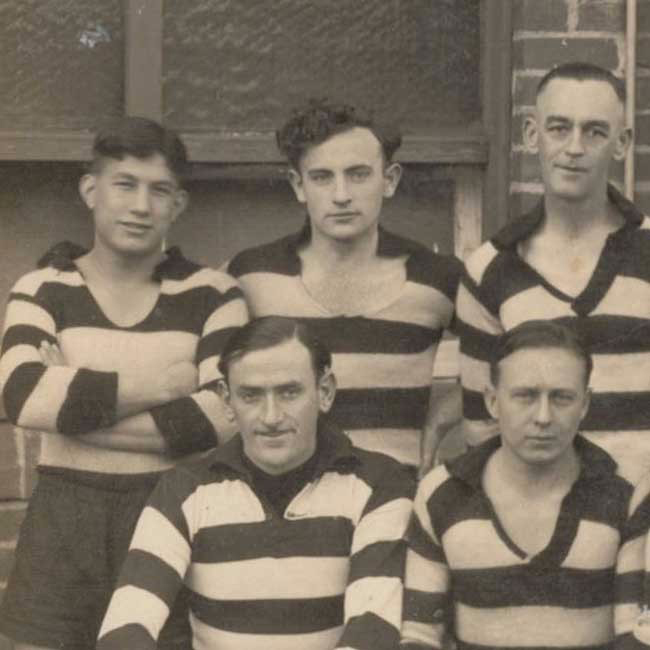
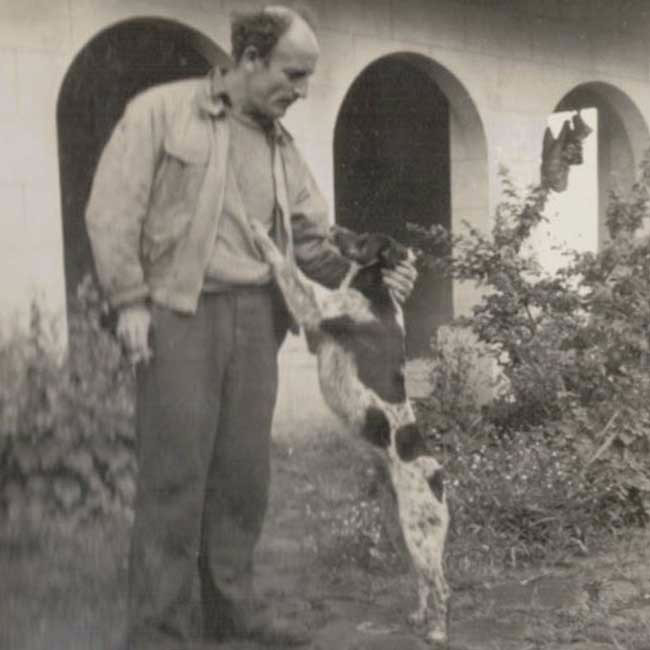
Unpublished 1967 press photographs from Gray Smith and John Perceval’s Canberra exhibition. Some faces I can name, others I can’t.
1967 was a productive year for Gray Smith. He had just had a successful exhibition of his Canberry series in 1966, and there was growing interest in his work. Around the same time, a small private viewing of Gray’s paintings was organised for President Lyndon B. Johnson during his three-day visit to Australia from 20 to 23 October 1966. It was most likely arranged by Zara Holt, wife of Prime Minister Harold Holt, who was taking painting lessons from Gray. The viewing was arranged on the third floor of the Rex Hotel in Canberra on 22 October 1966. President Johnson does not appear to have attended, but the viewing was still significant. According to Lady Bird Johnson’s diary, it was
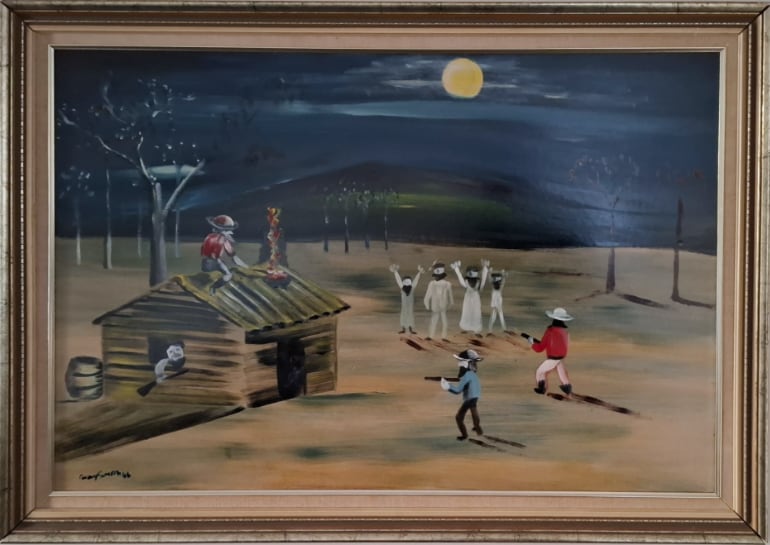
Two newly surfaced Gray Smith paintings, Sticking Up Moore’s Station (1966) and Old Man and Remains of Burnt Out House (1958), add fresh detail to the Gray Smith Artist Project.
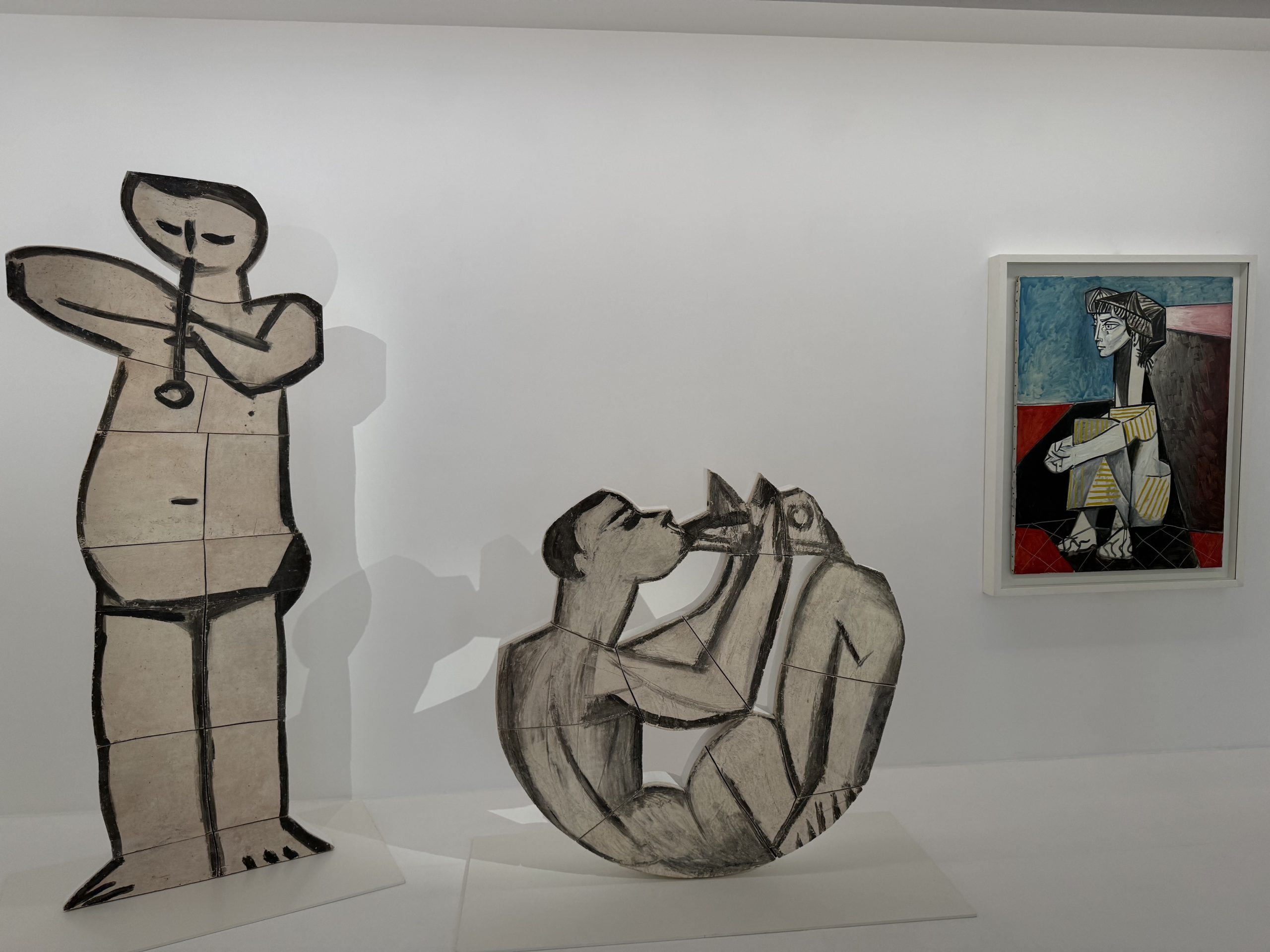
Standing in the Musée Picasso today, I kept coming back to one simple thought. Artists don’t evolve in a straight line. They change in moments. Picasso is the obvious case. Around 1906, after seeing the work of Paul Cézanne and Henri Matisse and spending time with Gertrude Stein and others, he began questioning the basics. Did perspective matter? Did form need to follow tradition? Within a year, he was working towards Les Demoiselles d’Avignon and the invention of Cubism. That moment reset the direction of modern art. What struck me in the museum was that this wasn’t gradual. It was a response to exposure. New people. New work. A new way of thinking. When Matisse died, Picasso made a number of works
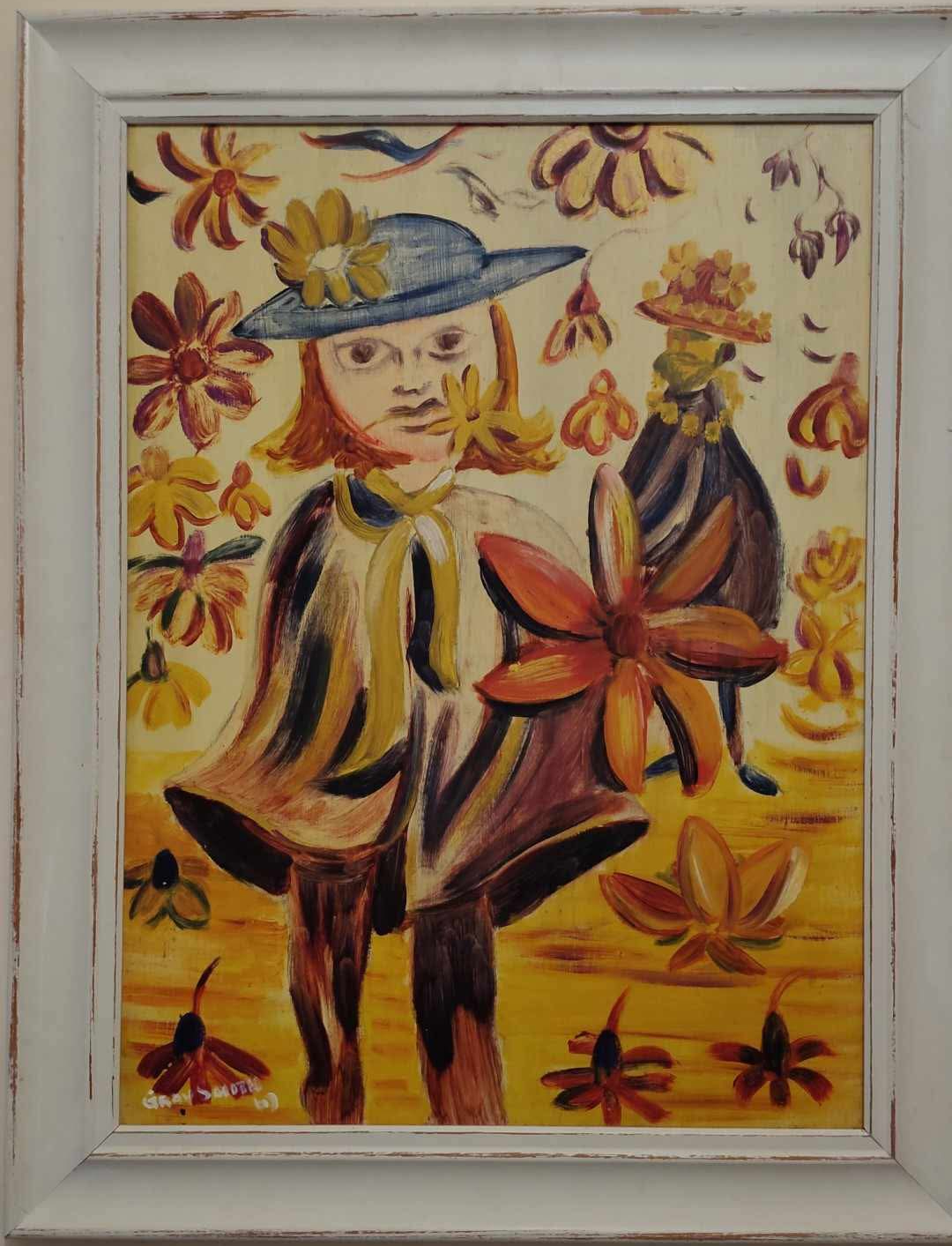
A painting listed in Joan’s index but never seen has resurfaced decades later in a Wodonga recycle shop. Falling Flowers (1967) brings together a Paris street scene, a deeply personal story, and a possible link to Margaret Carnegie.